Lebendige Skulpturen: Gilbert & George, Konrad Lueg, Sigmar Polke, Gerhard Richter : Sies + Höke, Düsseldorf, Germany

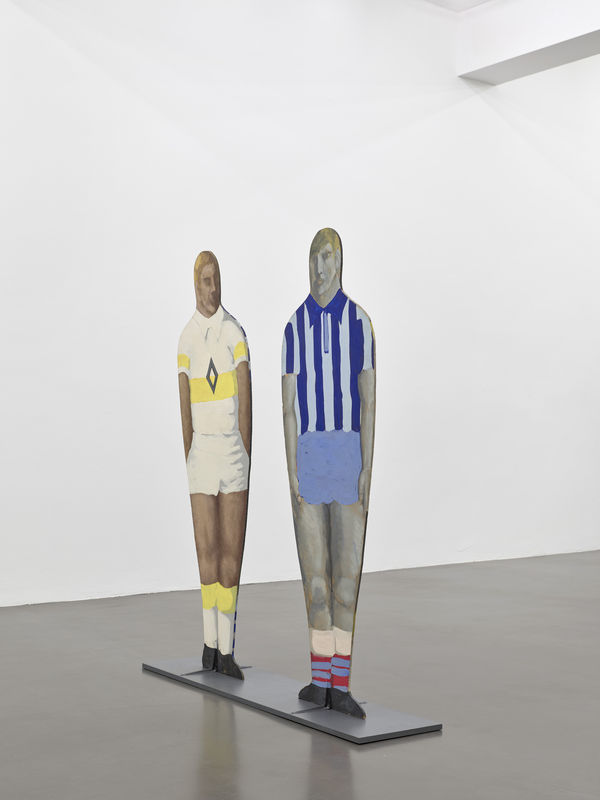
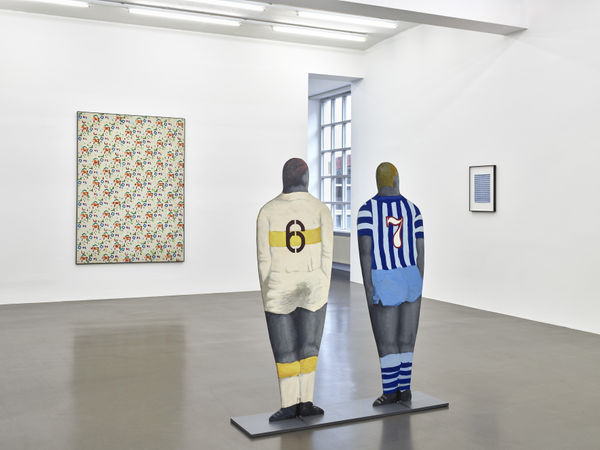
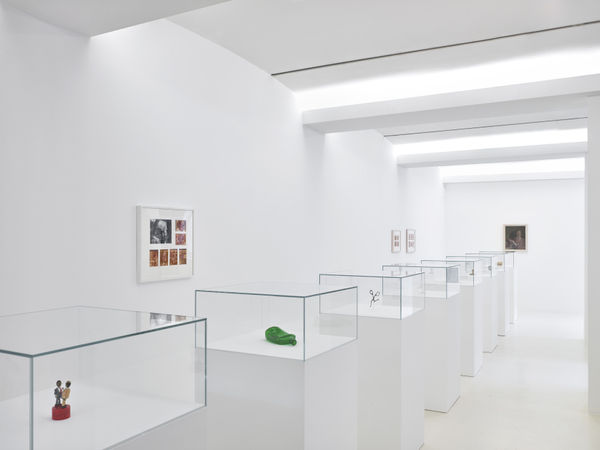
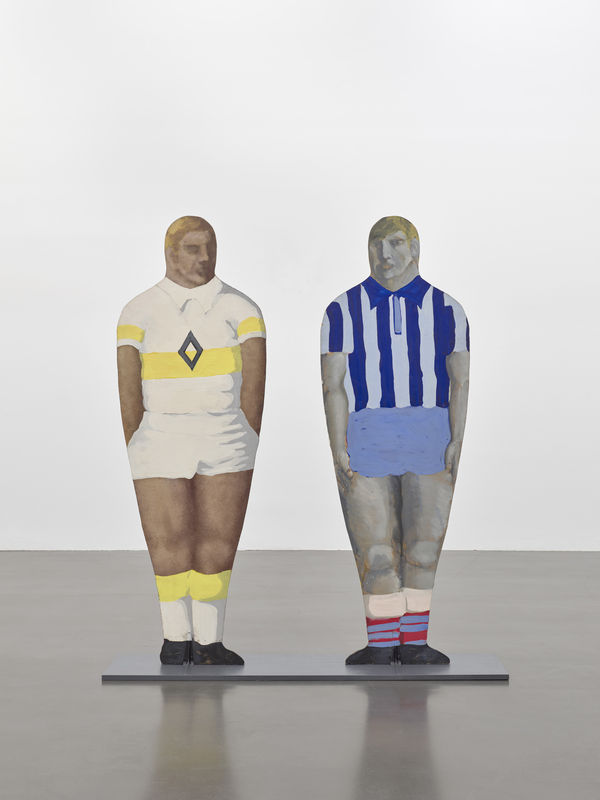
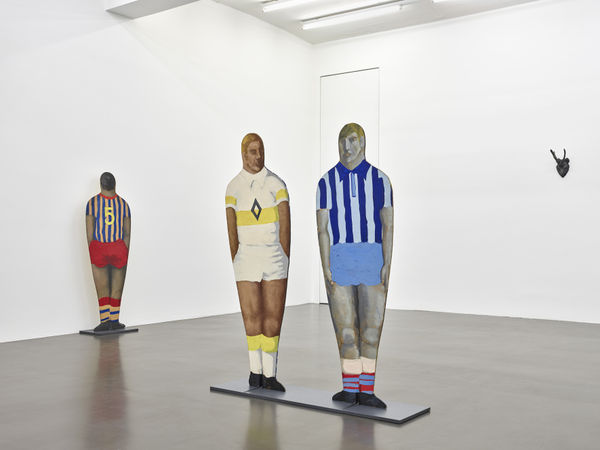
In art history, the concept of “living sculptures” is associated with the UK-based art personalities Gilbert & George. The duo, who claim to be “two people, but one artist,” (1) revolutionized art in the late 1960s by declaring themselves to be a living sculpture.(2) “Art and life became one, and we were the messengers of a new vision. At that moment that we decided we are art and life, every conversation with people became art, and still is.”(3) This anomalous attitude broadened the concept of sculpture in the context of the then emerging conceptual art movement and caused a stir – not least among the informed circles of the European art scene.
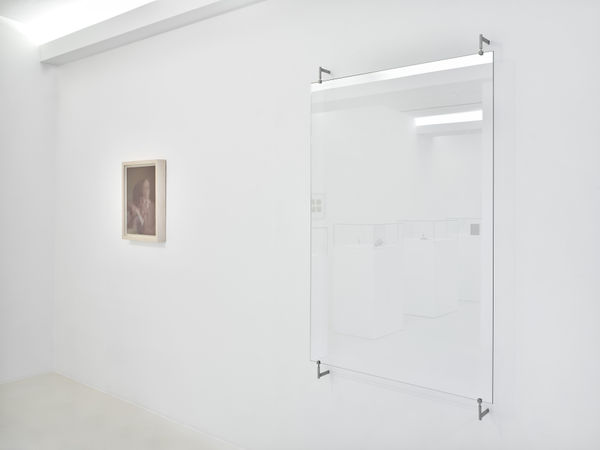
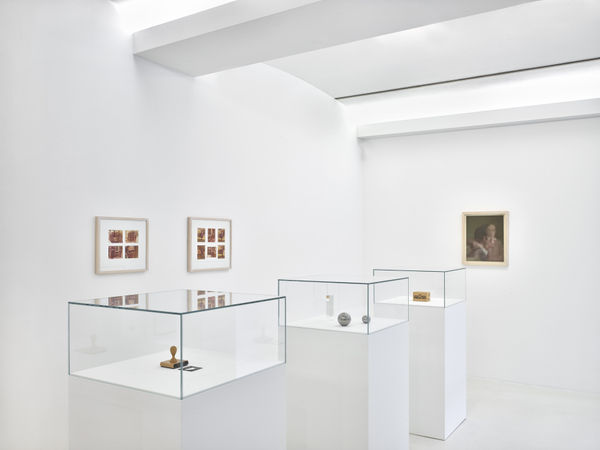
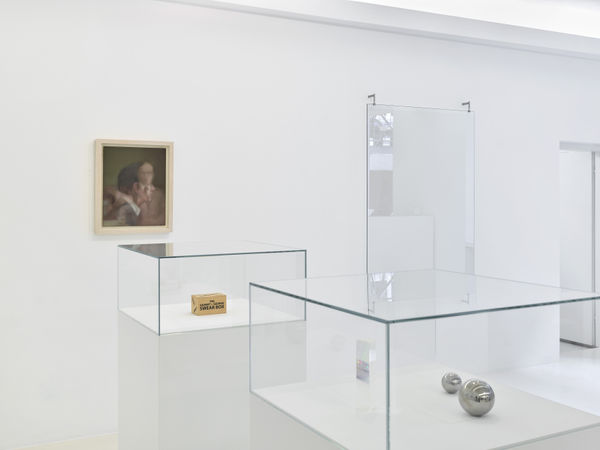
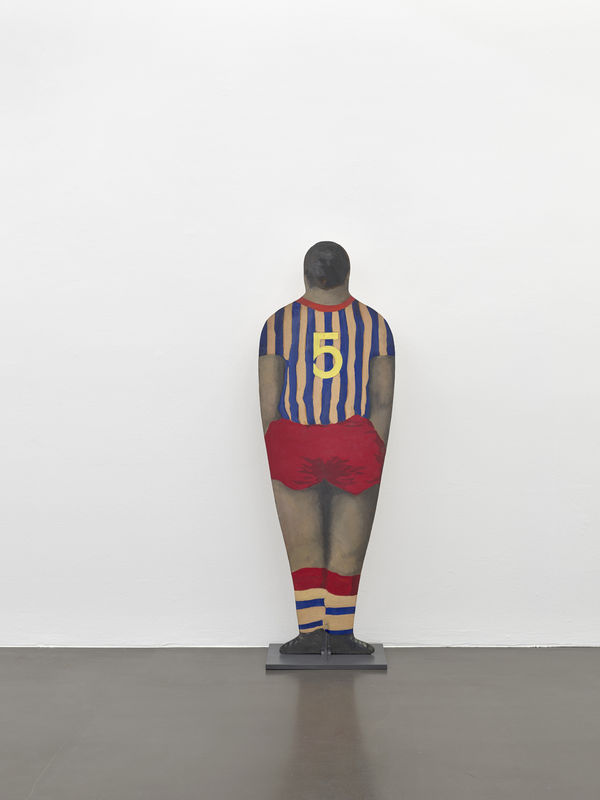
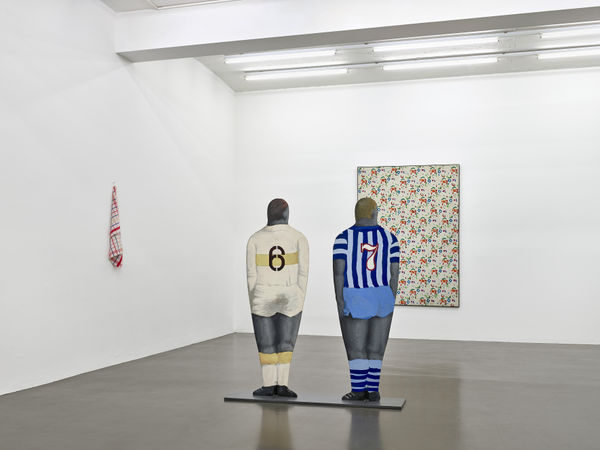
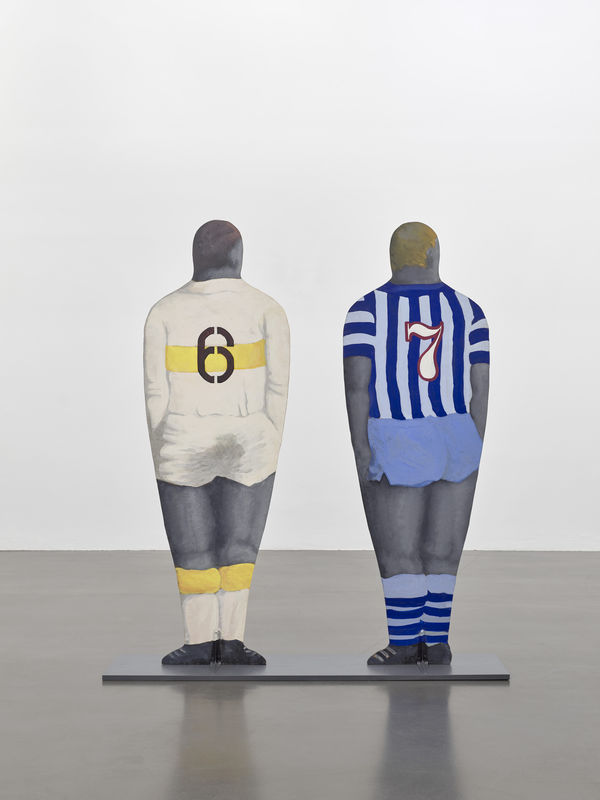
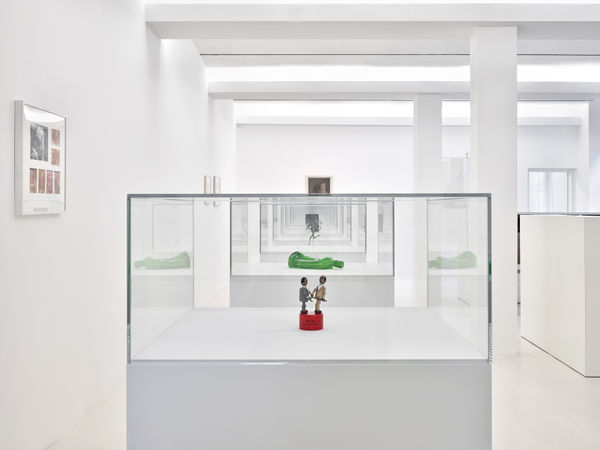
Gilbert & George’s ideas had a special impact in the German Rhineland, where the close-knit artists Konrad Lueg, Sigmar Polke, and Gerhard Richter had been looking for new ways of making art both individually and collectively since the early 1960s. As a result, the three didn’t just work in the medium of painting, but also experimented with works that approached the genre of sculpture in different forms – an additional parallel to their London-based colleagues. And thus Lueg, who became Gilbert & George’s gallerist in 1969/70 (4) under the name Konrad Fischer, dealt with this set of issues in many forms.
-

Photo: Achim Kukulies, Düsseldorf
-
Photo: Achim Kukulies, Düsseldorf
-
Photo: Achim Kukulies, Düsseldorf
-
Photo: Achim Kukulies, Düsseldorf
-
Photo: Achim Kukulies, Düsseldorf
-
Photo: Achim Kukulies, Düsseldorf
-
Photo: Achim Kukulies, Düsseldorf
-
Photo: Achim Kukulies, Düsseldorf
-
Photo: Achim Kukulies, Düsseldorf
-
Photo: Achim Kukulies, Düsseldorf
-
Photo: Achim Kukulies, Düsseldorf
-
Photo: Achim Kukulies, Düsseldorf