
Christian Marclay
Hall Collection
Further images
-
(View a larger image of thumbnail 1
)
-
(View a larger image of thumbnail 2
)

-
(View a larger image of thumbnail 3
)
-
(View a larger image of thumbnail 4
)

-
(View a larger image of thumbnail 5
)

-
(View a larger image of thumbnail 6
)

-
(View a larger image of thumbnail 7
)

-
(View a larger image of thumbnail 8
)

-
(View a larger image of thumbnail 9
)


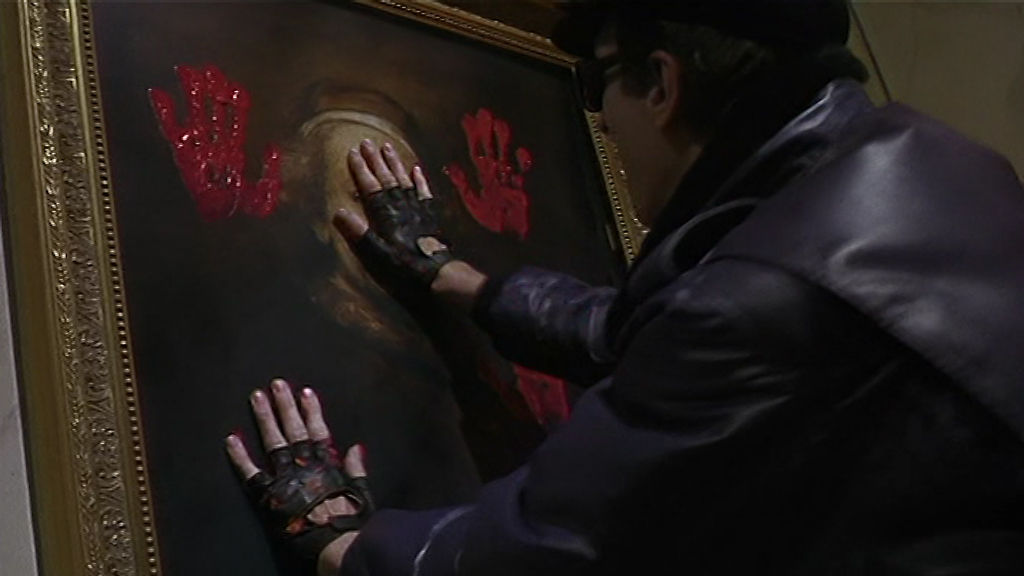
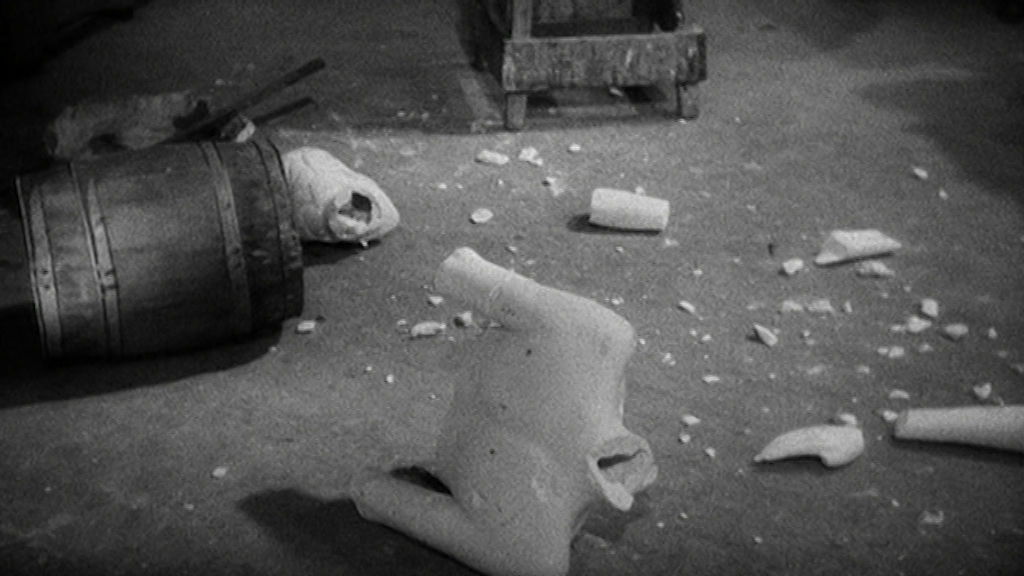
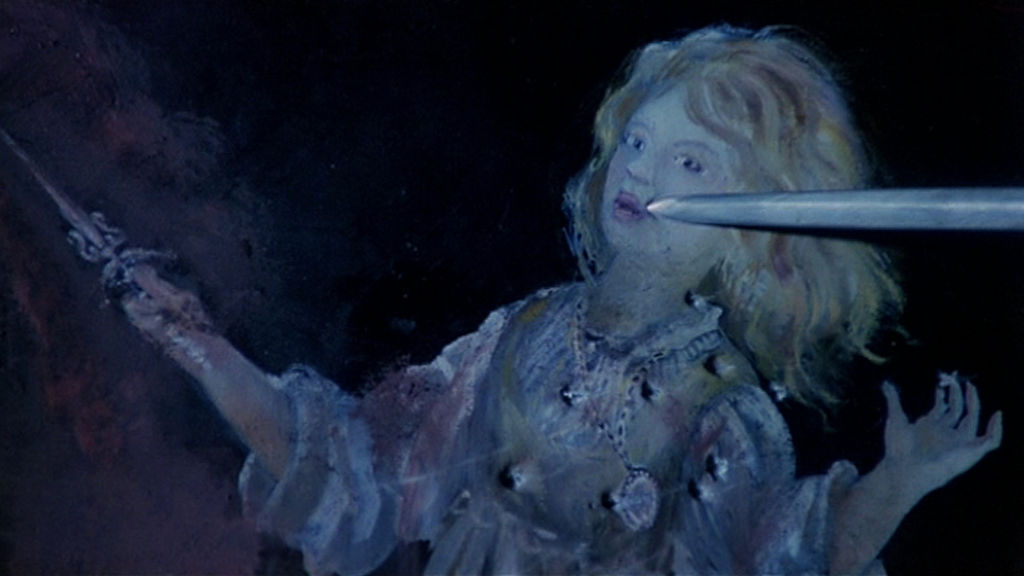
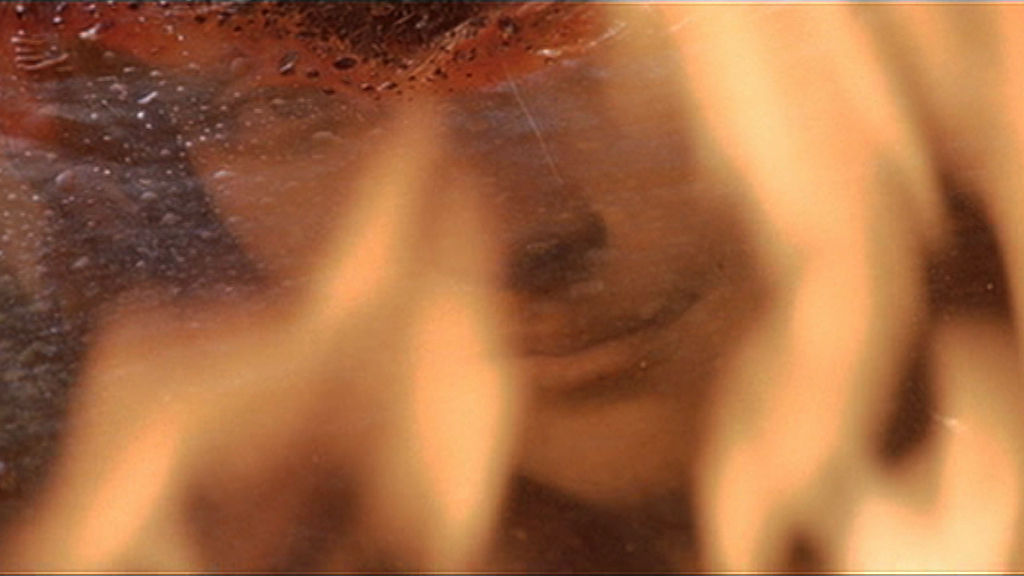
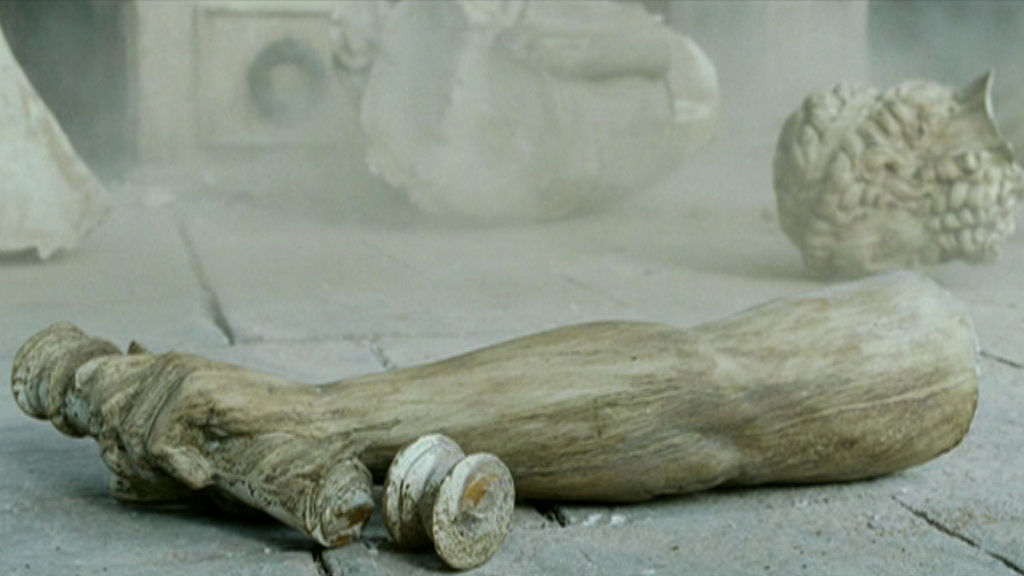
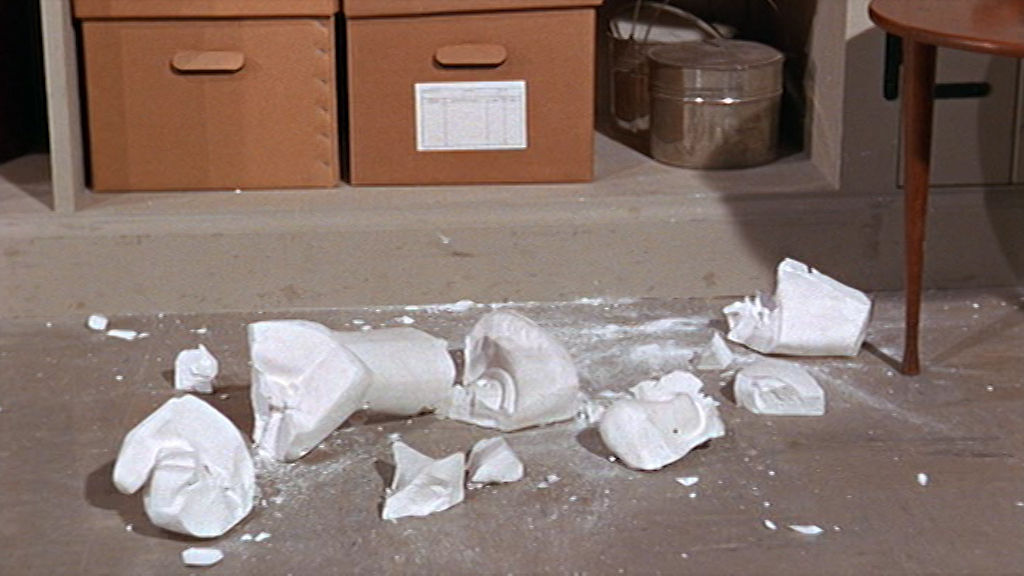
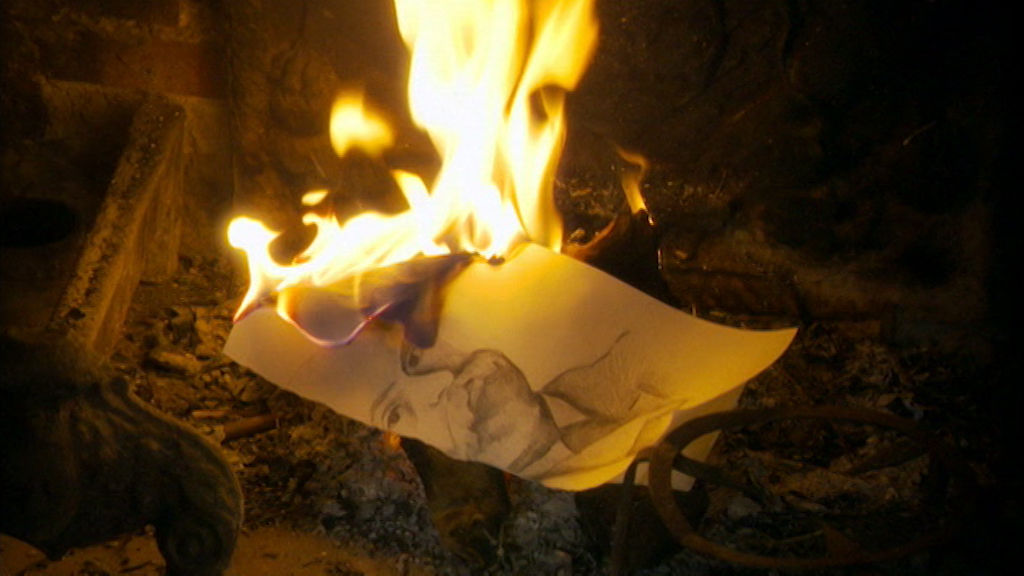
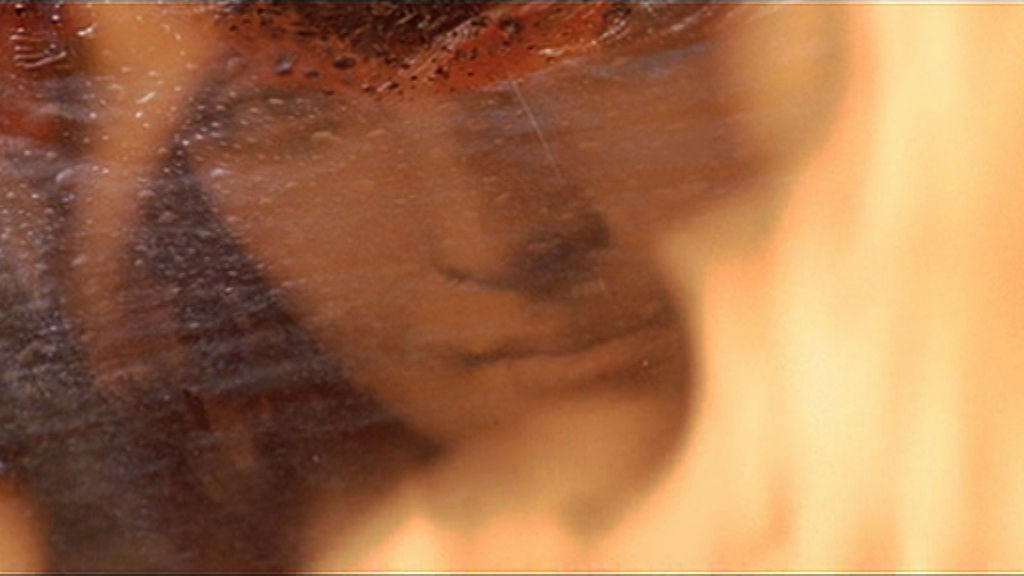
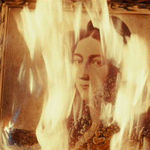
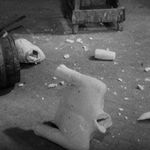
Made To Be Destroyed (2016) is a compilation of scenes in which both real and fictional artworks are smeared, broken, torn, toppled, burned, or otherwise damaged. Strategically interweaved by Marclay under a cacophony of sounds, the actions are either intrinsic to the process of creation, or haphazard and intentionally violent, or both.
The title Made To Be Destroyed references the process of film production and the making of objects for cinematic use, while raising questions about artistic license and legacy. Recognizable reproductions of notable artworks include examples by Rembrandt, Vincent van Gogh, James McNeill Whistler, and Egon Schiele. In one scene, a gun fight staged at the Solomon R. Guggenheim Museum in New York City results in fast-paced destruction throughout the building, itself a dedicated landmark by architect Frank Lloyd Wright. While the destruction at times references the long history of artwork confiscations under authoritarian regimes, Made To Be Destroyed also upends the distanced conduct required in museums and galleries.
In Made To Be Destroyed, Marclay's source material spans nearly a century. The film productions are geographically diverse, including examples from the US, Sweden, the former Soviet Union, and the United Kingdom. Through quick transitions, Marclay often obscures the film's intended narrative, but contextual clues like the performers' gestures, the style and tempo of the background music, and the cinematography allow associations through form. Through Marclay's intertwining of drama, comedy, action, biography, romance, horror, and documentary, Made To Be Destroyed cumulatively establishes its own disposition.