Hall Art Foundation
Skip to main content
  • Menu
  • Über Uns
  • Ausstellungen
  • Ausstellungsorte
    • Derneburg
    • Vermont
    • Mass MOCA
  • Leihprogramm
  • Sammlung
  • Medien
    • PUBLIKATIONEN
    • Videos
  • News
  • Kontakt
  • Tickets Kaufen
  • EN
  • DE
Menu
  • Menu
  • Menu
  • TICKETS KAUFEN
  • EN
  • DE

Ron Gorchov

Rückblick exhibition
13 Mai - 9 Juli 2023 Vermont
  • Information
  • Installationsansichten
  • Kunst
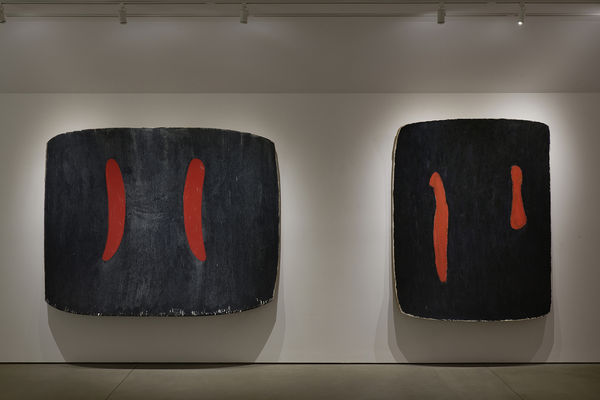
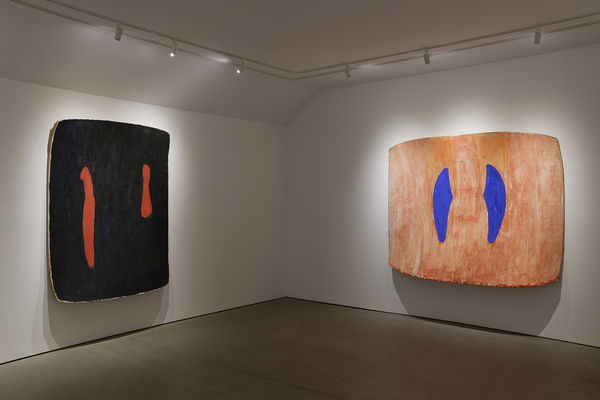
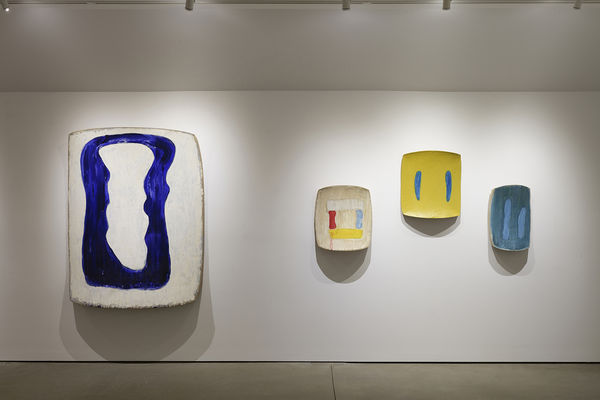
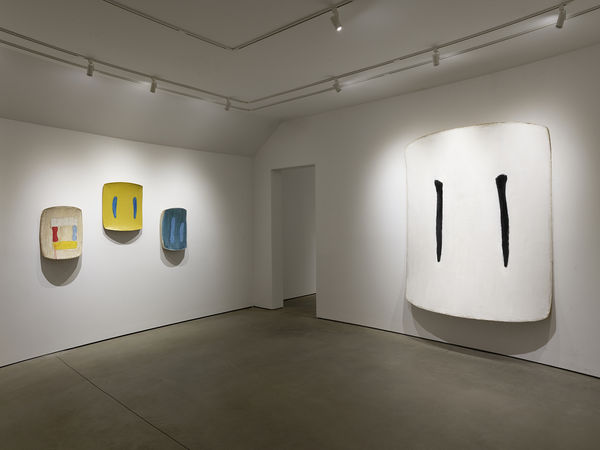
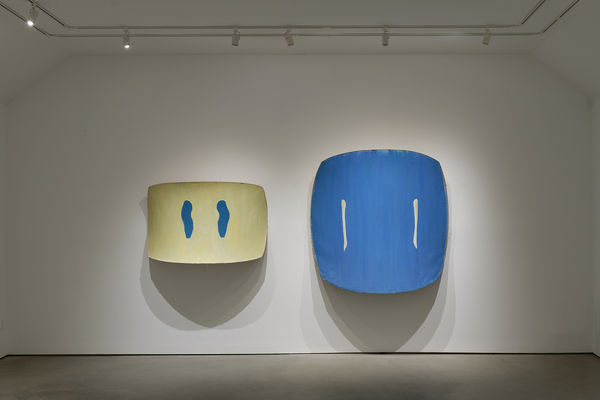
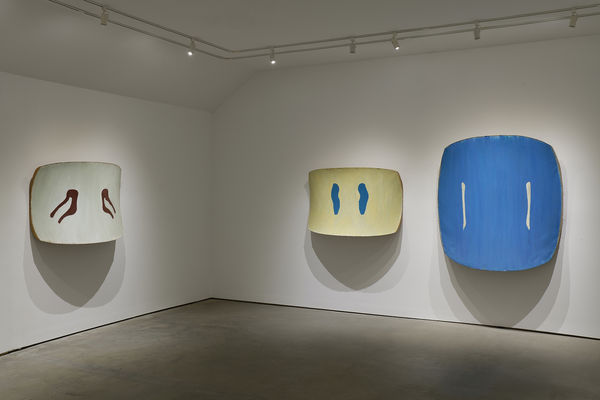
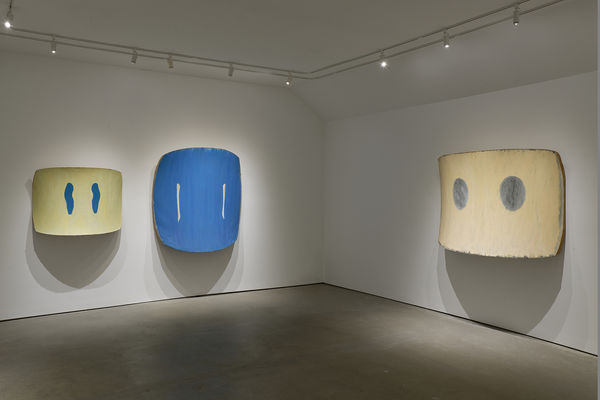
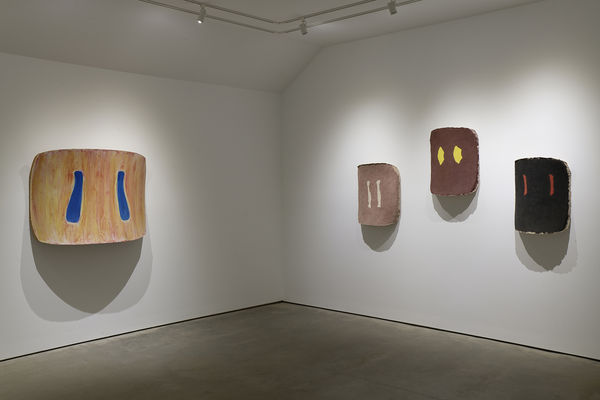
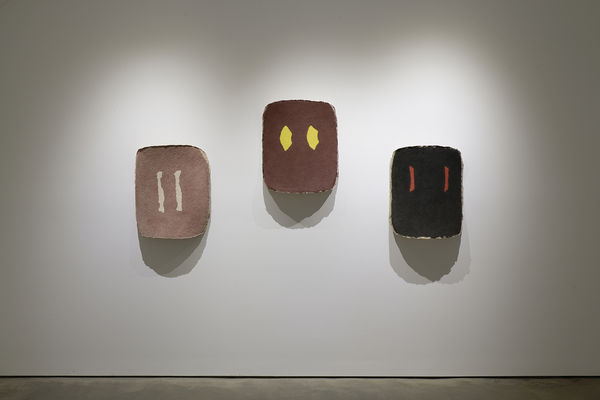
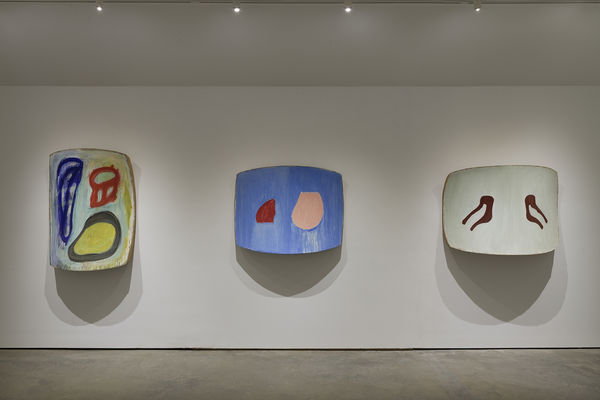
  • Spanning nearly 50 years of his work, this survey includes approximately 20 paintings from Ron Gorchov’s first shaped canvases made in the early 1970s to large scale works created in the last years of his life.

  • INFORMATION

    Gorchov emerged in the 1960s as part of a group of Manhattan-based abstract artists, such as Frank Stella, Richard Tuttle,...

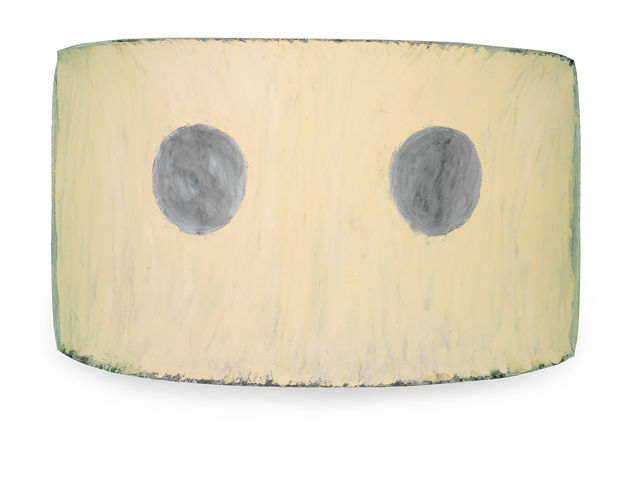
    Ron Gorchov, Will, 1976

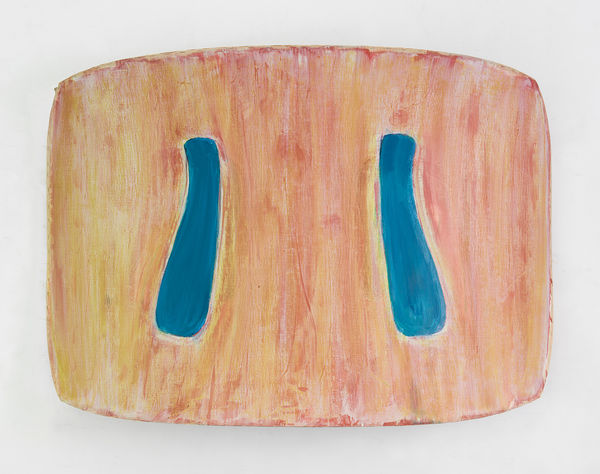
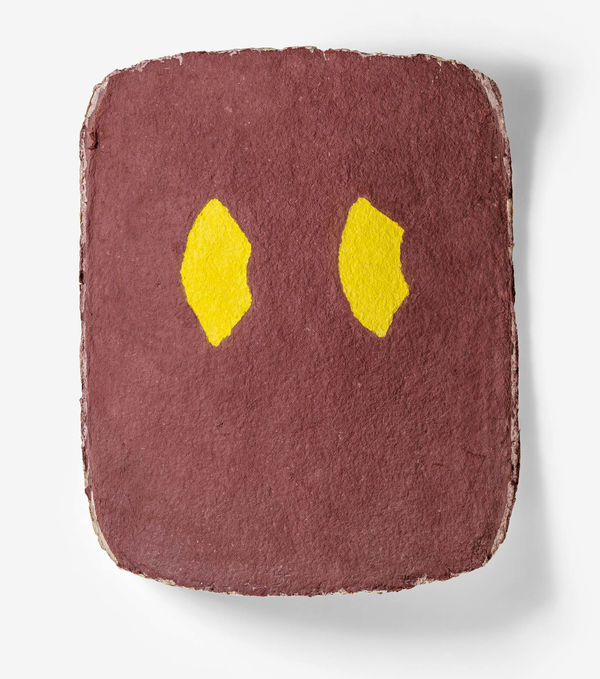
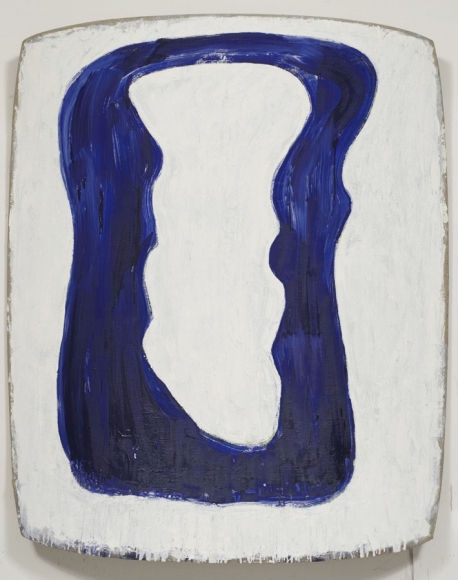
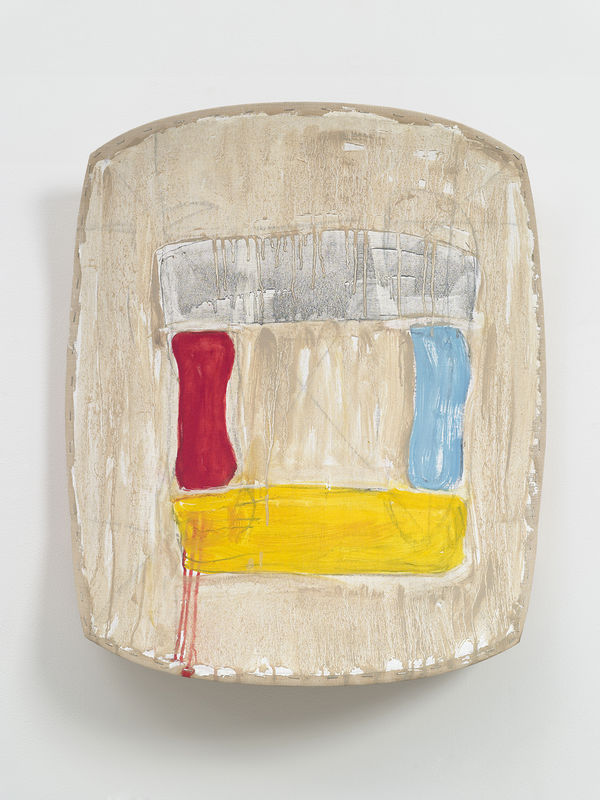
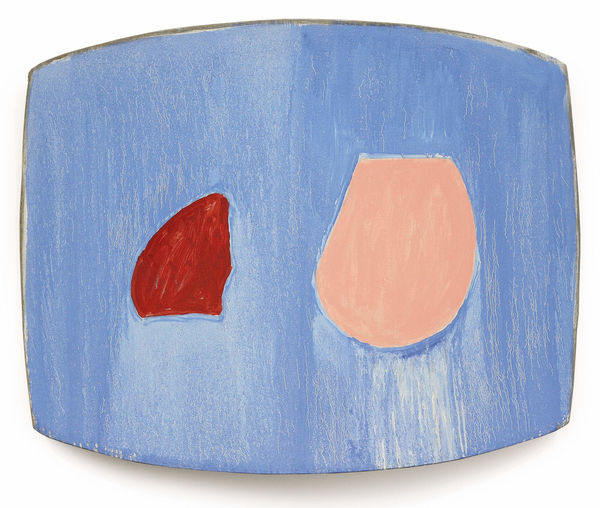
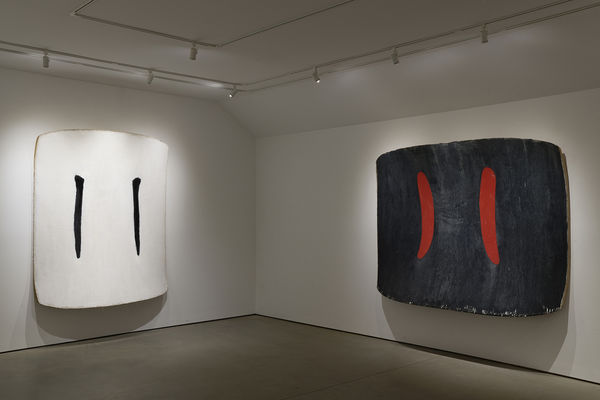
    Gorchov emerged in the 1960s as part of a group of Manhattan-based abstract artists, such as Frank Stella, Richard Tuttle, Blinky Palermo and Ellsworth Kelly, who rejected the traditional format of a rectangular canvas in favor of new shapes and configurations. Noticing that “...paint looked better on curved surfaces”, Gorchov began to experiment with the shape of his canvas. After teaching himself how to work with wood, he created his first curved surface painting in 1967.  Made by stretching canvas or linen across a bespoke curved wooden frame, Gorchov’s unconventionally shaped canvases bend both inwards and outwards and are simultaneously concave and convex. Described as saddles, masks or shields, Gorchov’s works blur the boundary between painting and sculpture.
  • Gorchov typically marks the surface of his canvases with two thin simple shapes against a monochromatic and contrasting field of...

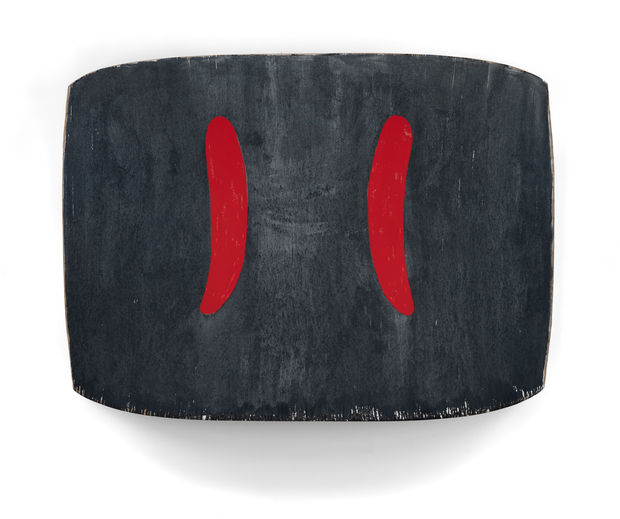
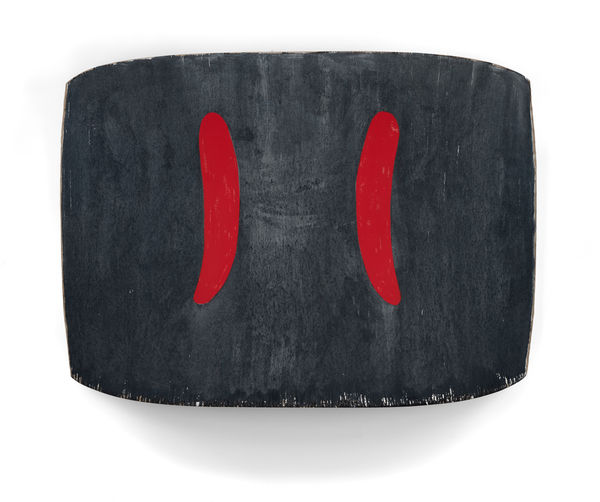
    Ron Gorchov, Spice of Life II, 2017

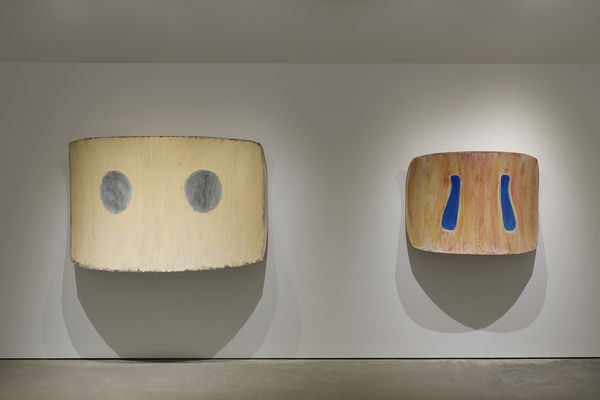
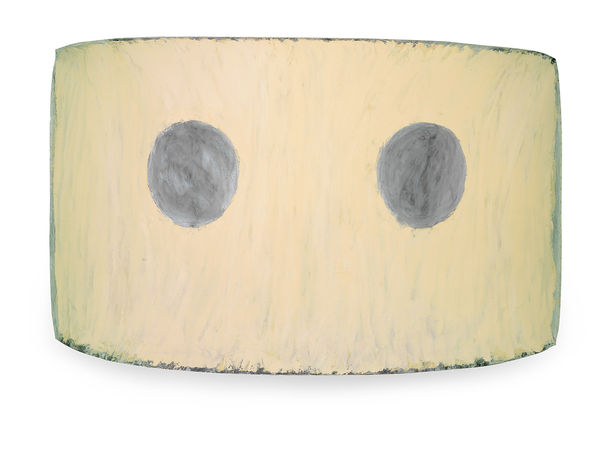
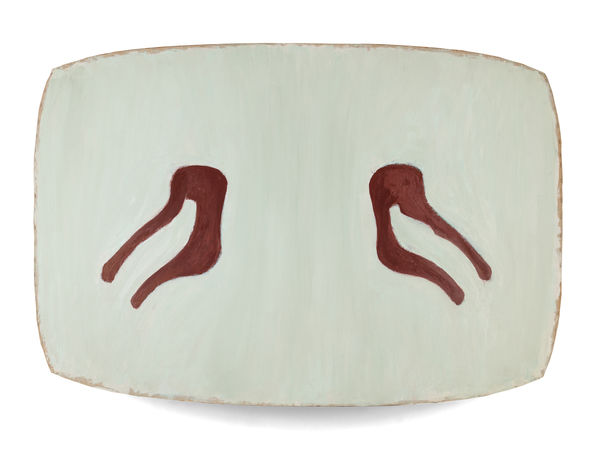
    Gorchov typically marks the surface of his canvases with two thin simple shapes against a monochromatic and contrasting field of color. Gorchov’s compositions were first inspired by the shape of Ancient Greek kouroi sculptures of frontally posed male youths. Gorchov focused on the space in between the kouroi’s straight arm and torso. This void defined the shape of Gorchov’s first painted marks, and subsequently, the central negative space in between the two painted marks can often resemble a male or female torso. Orientated vertically or horizontally, either concave and/or convex, Gorchov’s signature curved canvases emblazoned with two amorphous shapes against a monochromatic ground comprise the core of his painterly practice. With an extraordinarily single-minded painterly vision, Gorchov pursued a lifelong interest in combining these elements in countless variations.
  • Ron Gorchov (1930-2020) studied painting at the School of the Art Institute of Chicago and at the University of Illinois,...

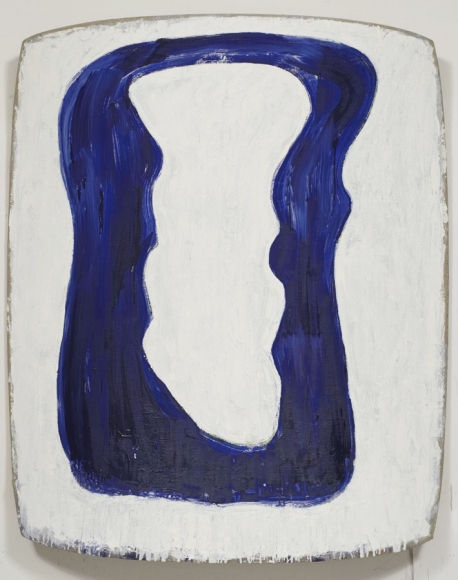
    Ron Gorchov, Hotel Oasis, 2006

    Ron Gorchov (1930-2020) studied painting at the School of the Art Institute of Chicago and at the University of Illinois, Urbana-Champaign. He moved from Chicago to New York City in 1953, and broke onto the New York art scene in 1960, when his work was included in the Whitney Museum’s Young America 1960: Thirty American Painters Under Thirty-Six. That year, he had his first solo show at Tibor de Nagy Gallery in New York. After a brief hiatus from the art world, Gorchov completed his first “saddle” paintings in 1967. His work was selected for the 1975 and 1977 Whitney Biennials. Gorchov’s work has been the subject of recent solo exhibitions at the Everson Museum of Art, Syracuse, NY, Cheim & Read, New York; Modern Art, London; Maruani Mercier, Brussels; Galerie Max Hetzler, Berlin; Vito Schnabel Gallery in St. Moritz, Switzerland and New York; Contemporary Art Museum, St. Louis, Missouri; Centro Atlántico de Arte Moderno, Las Palmas de Gran Canaria, Spain; Sotheby’s S|2 (London, UK); and MoMA PS1, Long Island City, New York. Gorchov’s paintings can be found in major museum collections including The Metropolitan Museum of Art, New York; Museum of Modern Art, New York; The Art Institute of Chicago; Everson Museum of Art, Syracuse; Milwaukee Art Museum; Nelson-Atkins Museum of Art, Kansas City; and Yale University Art Gallery, New Haven. Gorchov lived and worked in Brooklyn, New York until his death in August 2020.


    The exhibition was organized in collaboration with Vito Schnabel Gallery, who worked closely with the artist from 2005 until his death in 2020.

  • Installation Views
  • Artworks
    • Ron Gorchov, Life, 1971
      Ron Gorchov, Life, 1971
    • Ron Gorchov, Will, 1976
      Ron Gorchov, Will, 1976
    • Ron Gorchov, Untitled, 1976-77
      Ron Gorchov, Untitled, 1976-77
    • Ron Gorchov, Companion, 1977
      Ron Gorchov, Companion, 1977
    • Ron Gorchov, Coin #28, 1981
      Ron Gorchov, Coin #28, 1981
    • Ron Gorchov, Hotel Oasis, 2006
      Ron Gorchov, Hotel Oasis, 2006
    • Ron Gorchov, Cantina, 2008
      Ron Gorchov, Cantina, 2008
    • Ron Gorchov, Cortigiana, 2013
      Ron Gorchov, Cortigiana, 2013
    • Ron Gorchov, Spice of Life II, 2017
      Ron Gorchov, Spice of Life II, 2017
  • Installation views: Jeffrey Nintzel
Zurück zu Ausstellungen

HALL ART FOUNDATION

Reading, Vermont

Besuch

Tickets

KUNSTMUSEUM SCHLOSS Derneburg

Derneburg, Deutschland

Besuch

Tickets

Newsletter

HALL ART FOUNDATION

Reading, Vermont

Besuch | Tickets


KUNSTMUSEUM SCHLOSS Derneburg

Derneburg, Deutschland

Besuch | Tickets


Newsletter

Facebook, opens in a new tab.
Instagram, opens in a new tab.
Datenschutz
Manage cookies
Unless otherwise noted, illustrated works belong to Andy and Christine Hall, HCI, or the Hall Art Foundation.
Copyright © 2026 Hall Art Foundation
Site by Artlogic

This website uses cookies
This site uses cookies to help make it more useful to you. Please contact us to find out more about our Cookie Policy.

Manage cookies
Reject non essential
Accept

Cookie preferences

Check the boxes for the cookie categories you allow our site to use

Cookie options
Required for the website to function and cannot be disabled.
Improve your experience on the website by storing choices you make about how it should function.
Allow us to collect anonymous usage data in order to improve the experience on our website.
Allow us to identify our visitors so that we can offer personalised, targeted marketing.
Save preferences
Close

Join our mailing list

Signup

* denotes required fields

We will process the personal data you have supplied to communicate with you in accordance with our Datenschutz. You can unsubscribe or change your preferences at any time by clicking the link in our emails.